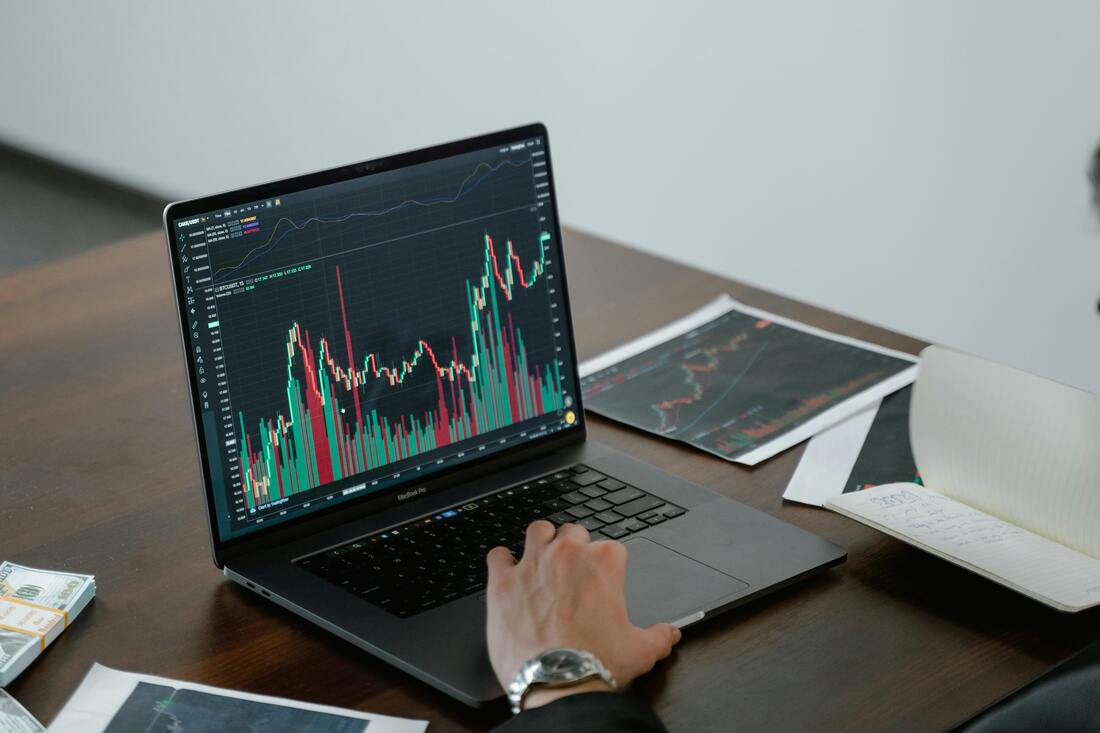
 In November 2024, the US will elect its 47th president, an event with impacts beyond politics. Elections impact trading and the markets.
The past market performance shows how the markets might react when a new administration enters the White House. The government faces shifting policies with a new administration regarding the economy and foreign relations, which impacts the markets. An October 2023 Forbes Advisor reported on findings from US Bank analysts. The analysts focused on past elections to pick up patterns during election cycles. They found that the stock market became muted in the 12 months leading into the election. When a new party enters the White House, the stock market delivers 5 percent returns. Re-electing a president leads to slightly higher returns of 6.5 percent. In the bond market, the returns leading up to the presidential election sit at 6.5 percent, less than the 7.5 percent returns they usually deliver. Furthermore, on average, the S&P, a stock market index, performs better a year after an election than the year before.
0 Comments
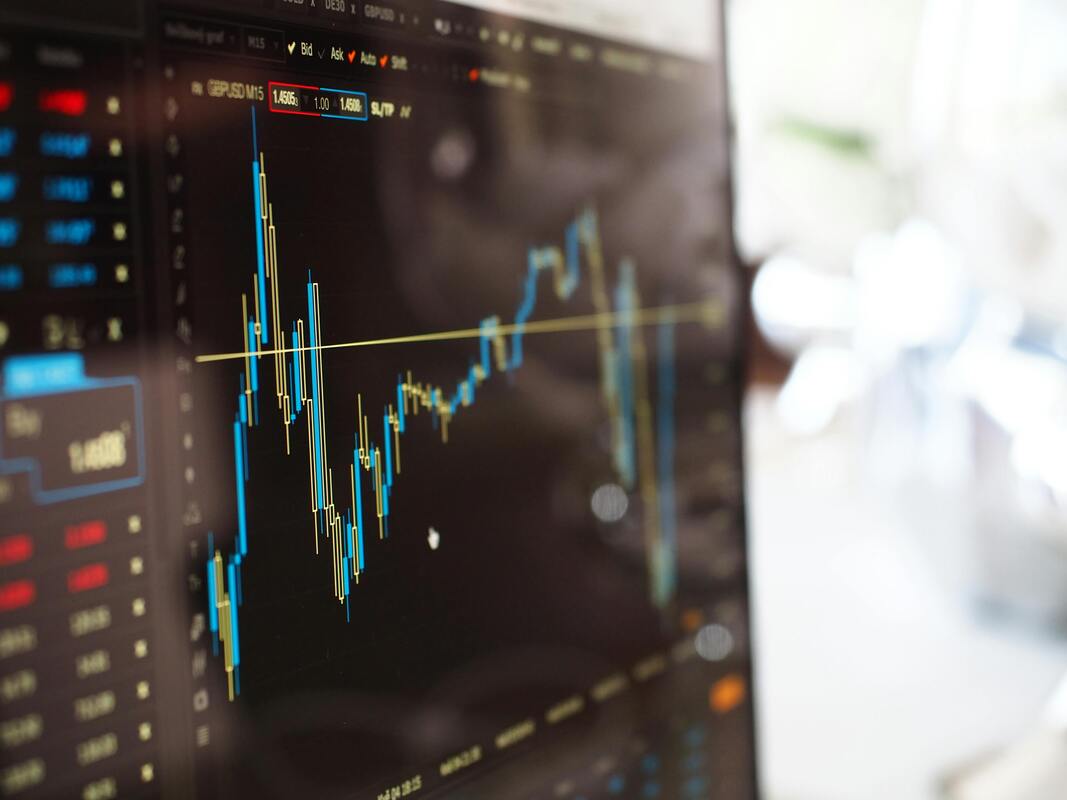 Commodities trading is buying and selling raw materials through futures contracts, in which traders agree to purchase or sell a commodity at an agreed price at a specified future date. Hard commodities are natural resources such as gold, oil, and rubber. Soft commodities include agricultural and livestock products such as wheat, corn, coffee, sugar, and pork. Traders anticipating a commodity price rise may buy futures (or go long), while those anticipating a price drop often sell (or go short).
Commodities are traded either in onsite/traditional markets or via the financial commodity markets (virtual marketplaces) using futures contracts. Trading commodities is considered complex because factors such as weather patterns and political events directly influence pricing. However, even though commodities are volatile, they allow portfolio diversification. Commodity trading has existed for a long time and has gradually evolved over the years. Nowadays, most commodities trading is executed through futures contracts (drafted legal agreements to sell or buy goods at a predetermined date). Producers and large industrial consumers prefer commodities trading because it safeguards them when a price increases or decreases. 
Traveling to places outside one’s hometown is important for gaining exposure to the world and experiencing other cultures. One of the best reasons to visit a new place is the beach. Fortunately, many countries worldwide have plenty of beaches for every type of traveler. Located off the east coast of Puerto Rico, the Playa Flamenco is a tropical cove on Culebra Island famous for its white sand and warm blue water. After a dip, visitors can roam around the island, surrounded by lush vegetation and sprawling palm trees. There is also a lagoon for those who want a change of pace and location. The US military uses the island as a gunnery range, accessible by ferry from Puerto Rico's mainland. Those who want to stay overnight can set up their tents at a campsite with basic showers. Visitors can also hire bikes to check out a Sherman tank. The Hidden Beach is another incredible and unique location to visit. Located on Marietas Island, the Hidden Beach has a circular hole that resembles a crater suspected to have been caused by a bomb when the Mexican government used the island as a military testing ground in the 1900s. The sought-after crescent beauty can be accessed via boat trips from Puerto Vallarta. While the beach is suitable for swimming and kayaking, visitors should be aware of the solid rocks that can be treacherous when waves become harsh. French Polynesia is a famous beach destination for celebrities, local tourists, and worldwide travelers. In particular, Bora Bora promises an all-year moderate climate that ranges from 26 to 29 degrees Celsius. Bora Bora is an island paradise called the Pearl of the Pacific with much to offer, from its white sandy beach and crystal clear lagoon to diverse coral reefs and healthy tropical vegetation. Thailand is one of the most interesting countries to visit for its flavorful cuisine, important heritage, and some of the best beaches in the world. One of the more peaceful islands in Thailand is Koh Kradan. Besides its more secluded nature, Koh Kradan is perfect for visitors who enjoy snorkeling. Visitors can also rent a kayak and visit nearby locations like Ko Muk’s Emerald Cave. Because of its location, Fiji is one of the most isolated places in the world. But when travelers reach the island, they are welcomed by vast stretches of sand, coral reefs, and warm but breezy weather. Those who have watched Tom Hanks in Cast Away will be pleased to know that the island where he spent four years is in Fiji. The Monuriki Beach is situated at the eastern end of Monuriki and is blessed with a strip of soft white sand. Blacktip sharks frequently visit the waters of Monuriki Beach. Travelers who want to combine a chill day at the beach with a bit of surfing can visit Freights Bay on the south coast of Barbados. They can enjoy a panoramic sea view and glance at the horizon when the sun sets. From November to April, local surf schools offer lessons to beginner surfers who want to catch sheltered waves without worrying about getting swept further into the sea.  Commodity trading dates back thousands of years and involves buying and selling raw materials such as metals, energy, and agricultural products. Historically, large conglomerates have dominated this market, using their resources and influence to manipulate prices. However, today many individual private investors and small entities leverage modern technologies to trade commodities.
Traders can trade commodities with a futures contract whereby buyers and sellers agree to trade a given amount of a commodity at a predetermined price and date. These contracts are derivatives, meaning their value comes from the price fluctuations of the underlying commodities. For instance, а trader might arrange to buy 10,000 bushels of corn at $4 per bushel in a 90-day contract. Instead of taking the corn at the contract's expiry date, if the price of corn rises to $4.20, the trader can sell the contract at $4.20 per bushel, profiting from the price increase. Although futures contract traders do not physically handle the commodities, certain high-value commodities, such as gold and diamonds, necessitate physical ownership. Investors can purchase gold in the form of bullion, which includes bars, coins, and rounds. Owning precious metals is considered a hedge against inflation by many investors because these metals have inherent value due to their scarcity and various industrial applications. However, this ownership comes with theft risk and additional premiums or fees. Traders seeking physical commodities such as oil and gold without physical ownership may also consider investment vehicles such as exchange-traded funds (ETFs) and exchange-traded notes (ETNs). ETFs typically buy and sell futures contracts or invest in related company stocks. ETNs, offered by financial institutions such as banks, allow traders to track the performance of commodities, following how their prices change. These institutions issue debt instruments (ETNs) that promise to pay investors a return linked to the commodity's performance or index. ETFs and ETNs can help investors avoid the costs and risks of physical ownership. However, investors should know that high market volatility can affect prices and returns. Another option is to capitalize on commodity pools that pool money from various investors. A commodity pool operator (CPO) invests this pooled money in futures contracts and commodity-related options. The CPO distributes profits and losses from the investments among investors, considering their contributions. The CPO also maintains transaction records, provides financial reports, and advises investors on additional opportunities. Collaboration with commodity trading advisors and the Futures Trading Commission allows CPOs to offer strategic advice and recommendations. Commodity trading investment is a popular option due to its inflation protection. Many commodities increase in price with inflation. Additionally, commodities have different demand and market price factors than stocks, making them ideal for portfolio diversification and reducing overall investment risks. Further, commodities allow investors to hedge against other investments. For example, investing in oil can hedge against fluctuations in energy prices impacting sectors such as transportation. When investing and trading commodities, investors must conduct thorough market research, including analyzing price charts and trends. Investors can also seek advice from professionals on risk management and how different commodities might fit into a portfolio. Additionally, they should understand that commodity trading and investing are complex, requiring advanced strategies and staying current on global economic and geopolitical events.  Beta Gamma Sigma (BGS) is a global honor society for business and management students. It recognizes members’ academic achievements. BGS members go on to serve in key leadership roles in both the corporate and not-for-profit sectors. There are several lifetime educational and professional benefits of being a BGS member.
In over 100 years, BGS has expanded to over 190 countries, with over 600 collegiate chapters. Close to one million students have been inducted into the society. BGS inducts students in AACSB-accredited universities with their own campus BGS chapter. AACSB stands for the Association to Advance Collegiate Schools of Business. Still, BGS it’s not for anyone. BGS sends invites to top-performing students at various higher educational levels. For undergraduates, eligible students must be top 10 percent from the second semester and up. Master’s students must have completed half of their program in the 20 percent to get a BGS invite. Doctoral students who have successfully defended their dissertations also get a BGS invite. Transfer students who have completed at least one full year in an AACSB-accredited university are also eligible. BGS membership is by invitation, not application. Anyone who meets the criteria receives an invite via email, with a link to their profile and other details like membership fee. Once they fill out their profile information and pay the membership fee, they’ll receive their membership certificate and materials at their campus chapter’s annual membership ceremony. Once inducted, BGS membership is lifetime. As such, members can still be a part of BGS post-graduation, thanks to BGS’s 32 alumni chapters spread across the globe. Members meet through the alumni chapters to network. All they have to do is search for alumni next to them and reach out to the chapter’s president. BGS is passionate about educational success and believes education is a lifelong endeavor. As such, it grants its members access to various educational resources during their studies and beyond. BGS has scholarship directories that only members can access. This allows members to apply to scholarship programs they might not find on their own. GBS also runs members-only scholarship programs. Some BGS-affiliated colleges give tuition and test prep services discounts. Others waive various fees for BGS members. The School of Management of the University of San Francisco waives the Graduate Management Admission (GMAT), The Graduate Record Examinations (GRE) costs, and application fees for BGS members. BGS recognizes the importance of having an internship and volunteer experience in one’s resume. To this end, it runs its own internship and volunteer programs and exclusive special members-only pricing. BGS also connects members with internship opportunities with several of its corporate partners. In addition to educational resources, society members get access to several career resources to help set them up for success post-graduation. Some professional benefits include special rates for car insurance for US-based BGS members. Lenovo and Dell also provide various tech support to BGS members. Other BGS members-only perks include special discounts on some of the most popular business publications, like Fortune and Forbes magazines, and several discounts on business attire, travel, and car rental. BGS seeks to honor and encourage academic excellence in business and management. But BGS’s involvement doesn’t stop once a member graduates. It also celebrates exceptional leaders while continuing to incentivize and inspire members to excel in their various leadership roles. BGS members serve with wisdom, honor, and earnestness. 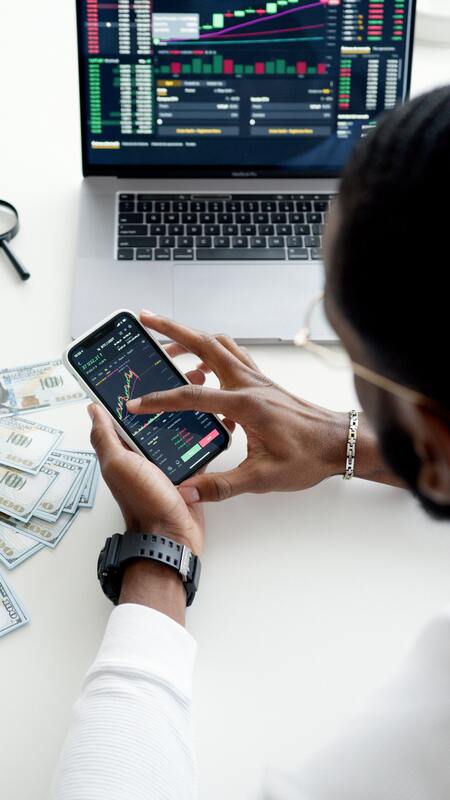 Commodity trading is a crucial aspect of the global economy, with billions of dollars exchanged daily. It is one of the oldest forms of trading globally and refers to trading commodities such as oil, gold, and food. Commodities play a vital role in everyday lives, but navigating the intricacies of this market can be overwhelming for those unfamiliar with its workings.
A commodity is any large-quantity-tradable raw resource or primary agricultural product. Commodities are the building blocks of everyday life, such as the fuel that powers your cars, the metals used in construction, and the food you eat. There are four primary commodities: metals, energy, agriculture, and animals. Metals are one of the most well-known types of commodities. Gold, silver, copper, and platinum are just a few examples. These metals have both industrial and investment value. For instance, gold is often used as a hedge against economic uncertainties, while copper is essential for electrical wiring and construction. Commodities in the energy sector include coal, natural gas, and oil. They are crucial in powering your home, fueling transportation, and supporting industries. Oil, in particular, is one of the most actively traded commodities in the world, with prices fluctuating based on global supply-and-demand dynamics. Agriculture products include corn, wheat, coffee, peanuts, and sugar. Geopolitics, weather, and global demand affect these commodities' prices. Trading in agricultural commodities requires a deep understanding of market trends and supply chain dynamics. Livestock commodities include live cattle, hogs, and poultry. Farmers and food processing companies primarily trade these commodities to manage the risks associated with price volatility. Livestock trading involves an understanding of animal health, feed costs, and demand for meat products. Buyers and sellers meet and conduct business in commodity marketplaces. These markets can be physical, where actual delivery of the commodity occurs, or they can be financial, involving contracts for future delivery. Spot markets and futures markets are the two main types of commodity markets. Spot markets sell commodities for immediate delivery. For example, if a bakery needs wheat for its bread production, it can purchase wheat directly from a farmer or a grain elevator through a spot market transaction. On the other hand, futures markets facilitate trading based on future delivery contracts. These contracts specify the commodity's quantity, quality, and delivery date. Futures markets allow producers, consumers, and investors to hedge against price fluctuations. For instance, an airline may buy futures contracts for jet fuel to secure a favorable price and protect against potential price increases. Commodity market trading differs from stock trading in several ways. While stock trading involves buying and selling shares of companies, commodity trading deals with physical or financial contracts for raw materials. Supply and demand, weather, geopolitics, and economic trends affect commodity prices. Unlike stocks, which represent company ownership, commodities have intrinsic value. Additionally, commodity markets are open longer hours than stock exchanges, providing traders more opportunities to act on market fluctuations. Commodities traders play a vital role in facilitating the buying and selling of commodities. They analyze market trends, monitor supply and demand dynamics, and identify potential trading opportunities. Traders can work for financial institutions, commodity trading firms, or even as independent traders. Their responsibilities include executing trades on behalf of clients, managing risk by diversifying portfolios, and staying up-to-date with market news and events. Commodities traders need a deep understanding of the specific commodity they trade, including factors that influence its price and the global supply chain. Commodity trade connects raw material producers and customers worldwide. Understanding commodities, their varieties, and markets can help you navigate this dynamic industry. Whether you're a trader or just curious about commodities, this knowledge will help you effectively engage in the exciting world of commodity trading. 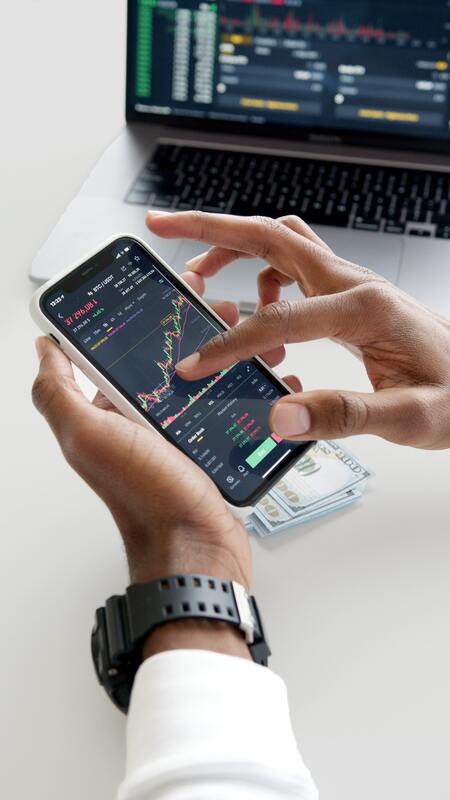 Several factors drive the financial market. Some micro-factors occur at the company level, like new patents, mergers, regulations, and new products, and affect an individual stock. Then there are the macro-factors. These occur at the national, regional, or international level and have far-reaching financial implications for all financial instruments (e.g., stocks, commodities, currencies, and indexes).
Traders and investors use macro and micro-factors to decide whether to buy or sell. A macro stock trader looks at the market as a whole, not just the drivers of an individual stock. Some macro events macro traders look for include political changes, interest rate changes, international trade and payments, governments' domestic foreign changes, pandemics, and geopolitics (e.g., the Russia-Ukraine conflict). A pandemic can send shockwaves through the financial systems. The micro trader may not consider the pandemic's implications on the individual companies whose stocks they want to trade. The macro trader, on the other hand, would consider how a worldwide slowdown would affect, say, the S&P 500 futures, which puts 500 leading publicly traded companies in the US into one tradable basket (index). Because of their global outlook, macro traders are also called macro global traders. They understand that global events can have unpredictable ripple effects across the financial markets. As such, they focus primarily on risk mitigation because of the highly speculative nature of global macro trading. Global traders use two different types of trading systems: systematic and discretionary. Systematic trading is rule-based. Systematic traders use programmable models and algorithms to execute their trades. They set rules that define the parameters under which to enter a trade and engage only in trades that meet those predetermined rules. By setting the "rules of engagement" before and giving the computer the power to make buy or sell decisions, systematic traders eliminate human intervention, which is prone to bias and emotional decision-making. This method is popular among institutional investors (e.g., investment banks) who trade large sums of money. In discretionary trading, the rules of engagement are more adjustable and flexible. Discretionary traders, mostly individual investors, rely on their experience and judgment to make trading decisions. A discretionary and systematic trader could look at the same macro event, like A Federal Reserve interest rate hike. And the discretionary trader, based on his interpretation, would take a different trading position than the systemic trader. Systemic trading may not be accurate, but discretionary trading is prone to human error, bias, and misinterpretation. Regardless of whether the trade execution is manual (discretionary) or automatic (systematic), there are inputs that a trader decides to trade based on. Also called indicators, the inputs that macro traders build their trading strategy around. They can use either fundamental analysis or technical analysis. Macro traders use fundamental analysis to assess how a financial instrument might respond to various macro events. Technical analysis, on the other hand, is based purely on the demand and supply forces of a financial instrument. It tracks a stock's performance over the years, months, weeks, days, or hours. Traders can combine fundamental analysis with technical for a deeper understanding of market sentiment. Market sentiment can change suddenly due to unpredictable circumstances, like a war breaking out in the oil-rich Gulf region, affecting crude oil prices, or the European Central Bank slashing interest rates unannounced, fuelling volatility in the currency markets. With several data points and risk factors to consider, global macro trading is highly speculative and potentially risky. |
AuthorMichael Franko - Experienced Trader and Risk Manager ArchivesCategories |
 RSS Feed
